

At-home skincare answers have developed significantly in the last decade, with advanced treatment methods becoming more available to users. Among these developments, at home prp facial treatments have attracted interest due to their regenerative approach and convenience. These solutions are encouraged by scientific platelet-rich lcd procedures but used for controlled, particular use, creating them a growing tendency in skilled skincare discussions.
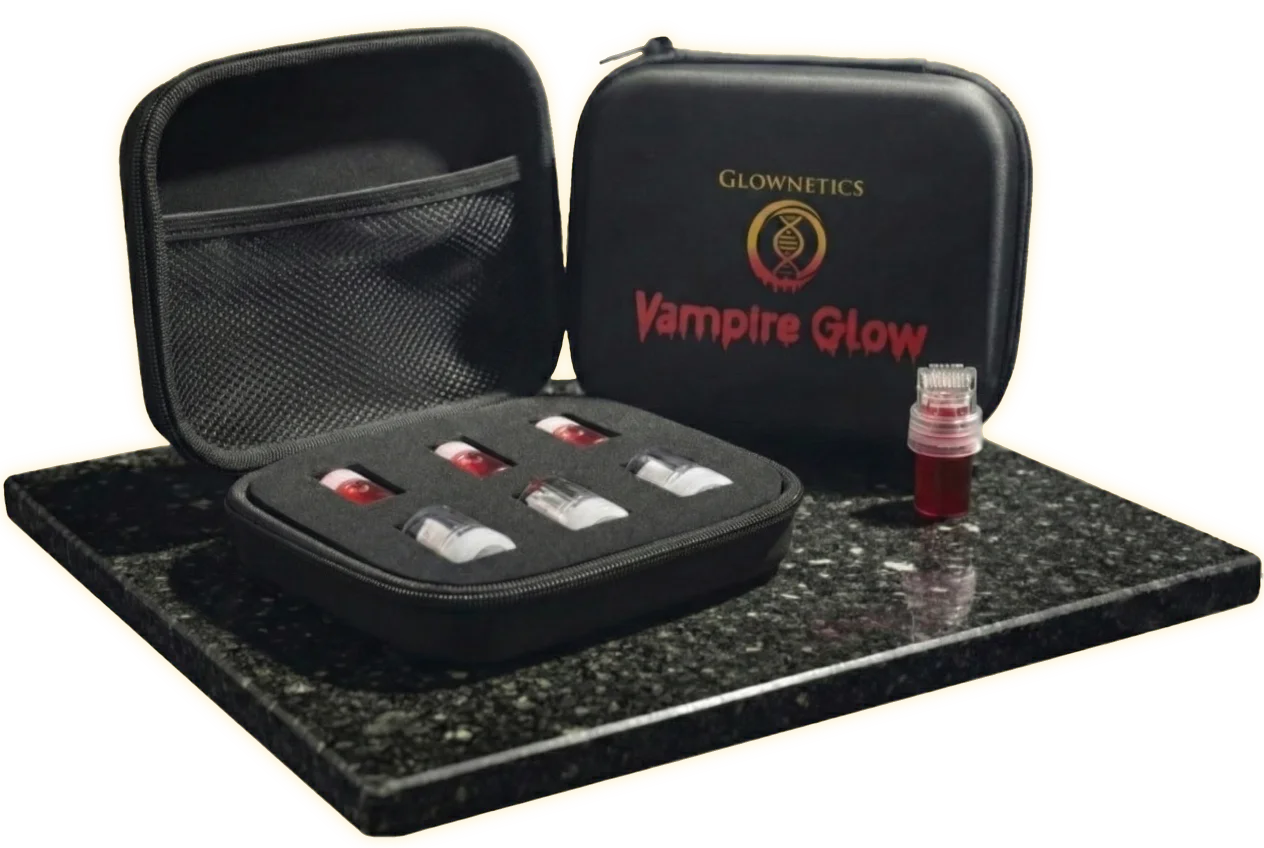
What Is an At-Home PRP Facial Therapy
An at-home PRP facial treatment is a skincare method designed to guide skin renewal applying concepts connected with platelet-rich plasma therapy. The idea is targeted on stimulating organic skin regeneration by stimulating collagen production and improving overall epidermis texture. Unlike traditional aesthetic products, these solutions stress biological pleasure as opposed to surface-level correction.
How a Therapy Process Operates
The procedure process usually involves epidermis planning, service, and recovery phases. First, skin is washed to eliminate impurities and guarantee better absorption. Next, specialized instruments or relevant alternatives are used to stimulate the skin's surface, encouraging renewal processes. The ultimate period enables the skin to recuperate and repair, which can be considered needed for reaching apparent changes around time.
Why At-Home PRP Facials Are Trending
New skincare data indicate a change toward non-invasive and self-managed treatments. Surveys suggest that a large proportion of users choose at-home answers due to flexibility, solitude, and price efficiency. At-home PRP skin solutions arrange with this specific trend by offering a organized schedule that fits modern lifestyles without requesting frequent qualified visits.
What Epidermis Advantages Are Commonly Noted
Knowledge gathered from skincare use patterns spotlight a few frequently noted outcomes. Customers frequently notice improvements in complexion uniformity, area smoothness, and moisture levels. Around consistent use, these solutions are related to improved skin resilience and reduced look of fatigue-related dullness, adding to a healthier overall complexion.
How Protection and Reliability Enjoy a Role
Qualified discussions about at-home remedies stress proper application and consistency. Following directions cautiously and maintaining health standards are critical factors. Mathematical ideas reveal that users who abide by encouraged routines record larger satisfaction degrees in comparison to abnormal users. That reinforces the importance of organized software schedules.
Who On average Uses At-Home PRP Face Treatments
Demographic styles indicate these therapies appeal to an extensive age groups, specially people centered on preventive skincare. Many users incorporate them into long-term skin maintenance programs rather than seeking quick cosmetic changes. This preventive strategy aligns with broader tendencies in wellness-oriented splendor routines.
How Benefits Are Tested Over Time
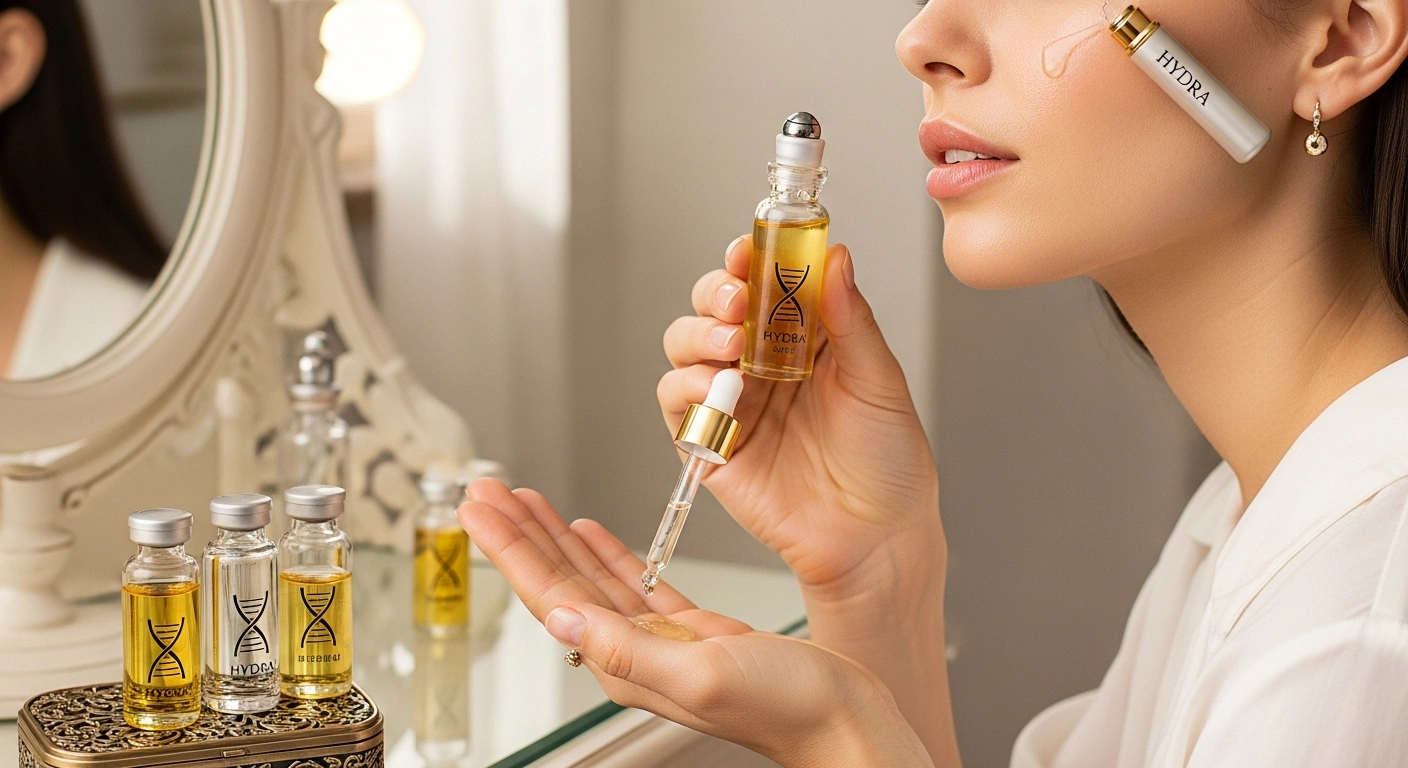
Unlike quick cosmetic treatments, at-home PRP skin treatments are considered through gradual improvements. Skin elasticity, consistency refinement, and overall lighting are common metrics. Market knowledge shows that obvious changes usually link with experienced use over weeks, showing the cumulative character of the treatment.
Why Qualified Curiosity Continues to Grow
From an expert perspective, the increase of at-home PRP facials reflects a broader action toward individualized skincare. Analysts notice increasing interest because of improvements in method quality and user education. As more data becomes accessible, these therapies are now being discussed included in long-term skin wellness methods rather than short-term trends.
Final Findings
At-home PRP facial remedies symbolize a modern blend of invention and convenience in skincare. By emphasizing organic regeneration, consistent exercises, and user-controlled program, they arrange with recent market data and qualified perspectives. As skincare remains to evolve, these solutions are placed as an important part of data-driven, at-home skin wellness practices.